Winter Parking Rules in North York: What Yorkdale Residents Need to Know
October 06, 2026 - Local News


October 04, 2026 - Events
October 01, 2026 - Real Estate
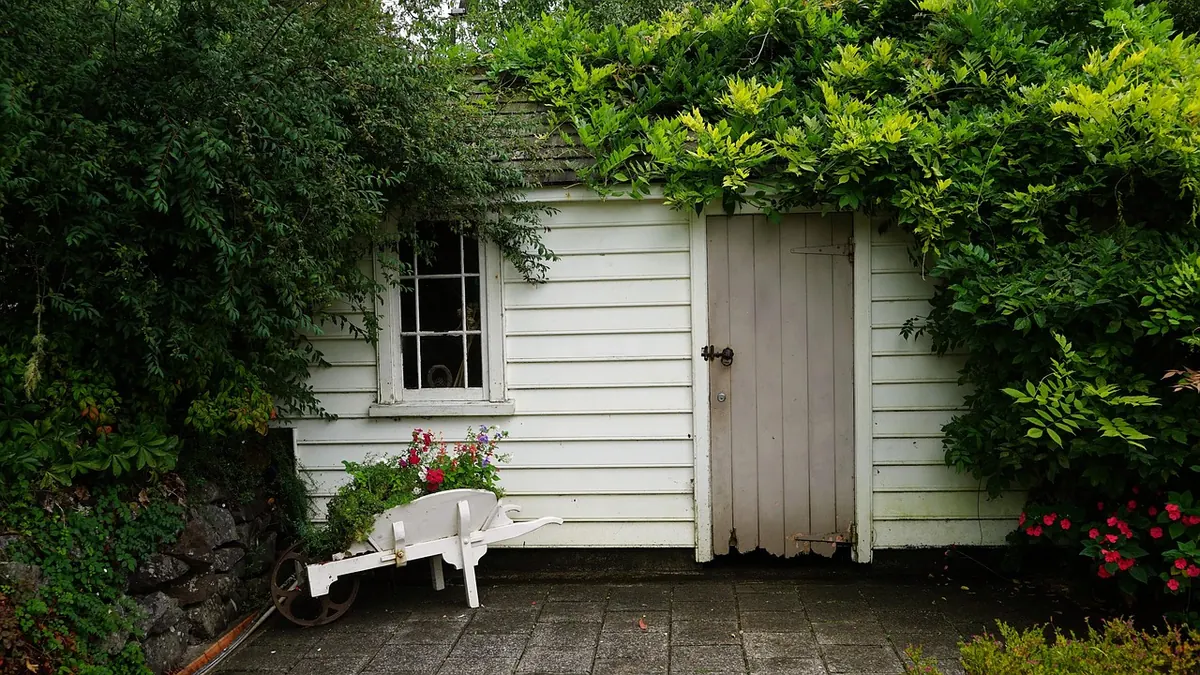
Most Yorkdale-area houses sit on generous lots, which is why so many driveways hold a car and a half and so many backyards hold nothing at all. Since Toronto legalized laneway suites in 2018 and garden suites across the city in 2022, that quiet rectangle of grass behind the kitchen has become something more interesting: a legal second home, often just steps from the back door.
For some households it's a place for an aging parent. For others it's rental income that helps carry a mortgage. For sellers, it's a feature that separates a listing from the dozen similar bungalows down the street. What follows is the plain version of how the rules work, what the city will ask of you, and where the value really sits.
Toronto's rules recognize a few ways to add a dwelling to a property, and homeowners often blur them together. They aren't interchangeable.
Ontario pushed municipalities to allow up to three units on most serviced residential lots, and Toronto's zoning now reflects that. In practice: a main house, one suite inside it, and one detached suite behind it. There's no separate title involved. The garden suite stays part of your single property, and you can't sever it and sell it as its own lot.
The rules aren't a blank cheque. A garden suite has to sit in the rear yard, behind the main house, within defined setbacks from the side and rear property lines. The bylaw also caps how much floor area the suite can cover and how tall it can stand — generally enough for a comfortable one-bedroom apartment, not a second house. Only one detached suite is permitted per lot, so it's a garden suite or a laneway suite, not both.
Three constraints trip up more projects than anything else:
Worth knowing: short-term rentals fall under a separate city regime that generally requires the unit to be your principal residence. A garden suite built as a long-term rental isn't automatically an Airbnb.
Buyers and their lenders care about one thing above all: is this unit legal? A permitted suite with drawings, inspection records and a final sign-off is straightforward to finance and easy to insure. An unpermitted one is a discount, a legal risk, and sometimes a demolition order.
Beyond paperwork, the features that hold value are the unglamorous ones:
What tends not to pay back: overbuilding to the point where you need variances, luxury finishes in a rental unit, and rushing the permit stage. The most common expensive mistake isn't the construction — it's discovering halfway through that the lot never allowed the design.
Spend an hour on the boring stuff first. Pull up the zoning for your address, walk the yard with a tape measure, and note where the trees, the sewer cleanout and the hydro service actually are. Then talk to two or three designers who have permitted suites in North York and ask to see addresses.
Line up your money and your insurance before you dig, not after. Rental income changes how a lender looks at your file, and a new structure changes what your insurer is covering. A mortgage broker, an accountant and a lawyer can each tell you something specific about your situation that no general guide can, and zoning and tax rules do change — confirm the current version with the city before you commit to a design.
Do that groundwork and a garden suite becomes what it should be: a modest building in the back that quietly does a lot of work for your household, and for whoever buys the place next.
Photo: Barni1 / Pixabay
Snow routes, overnight permits and storm-day parking bans explained for Yorkdale-area residents, plus a practical...
A month-by-month look at free concerts, markets, festivals and family activities within easy reach of Yorkdale, plus...
Copyright © 2026 The Yorkdale Quarter. All Right Reserved.