Winter Parking Rules in North York: What Yorkdale Residents Need to Know
October 06, 2026 - Local News


October 04, 2026 - Events
October 01, 2026 - Real Estate
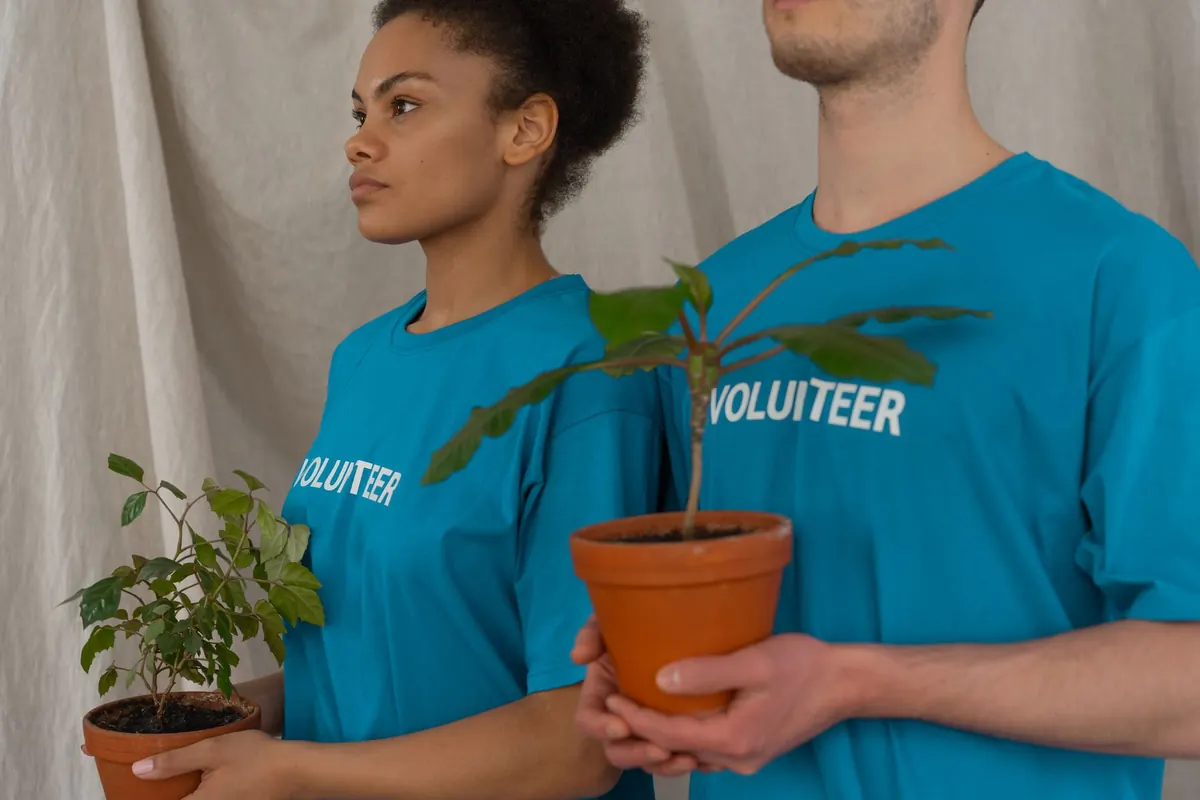
You don't need a backyard to grow a season's worth of tomatoes. Around Yorkdale, community gardens sit behind apartment buildings, beside churches, and along quiet hydro corridors. They are shared spaces with real rules, real waitlists, and real rewards. If you have ever wondered how to get a plot, what it costs, or when to plant what, this guide walks you through the basics without the guesswork.
Start by asking at your local community centre, library, or place of worship. Neighbourhood Facebook groups and word of mouth are often the fastest way to learn about gardens that do not advertise. The City of Toronto maintains a list of community gardens, and some are run by non-profit groups or housing cooperatives.
Waitlists are normal. Some gardens have openings within a season; others have waits of a year or more. Get on two or three lists if you can. When you contact a garden coordinator, be specific: ask about plot size, waitlist length, and whether they have shared or assistant plots for beginners. Offering to volunteer at a work bee while you wait can move you up in practice, even if not in policy. People remember the person who showed up with a rake.
Most community gardens charge a modest annual fee to cover water, insurance, and shared supplies. Some are free; others ask for a refundable deposit or a small amount per season. Fees vary widely, so ask directly. Many gardens also require a few volunteer hours each year—often a set number of work bees or a shift on the watering roster. If the fee is a barrier, say so. Some gardens have waivers or sliding scales, and coordinators would rather have a committed gardener than an empty plot.
Every garden has its own rules, but most share a common core. Read the bylaws before you plant a single seed. Common requirements include:
Some gardens also limit water use during dry spells, ban certain invasive plants, or require you to use only approved compost. Ask for a copy of the rules and keep it with your gardening gloves.
Most gardens provide water access, hoses, and a few long-handled tools like rakes and shovels. Wheelbarrows and watering cans are often shared. You will want your own hand tools, though. A basic kit includes:
Don't buy everything at once. Start with a trowel, gloves, and pruners. Label your tools with tape or paint. Shared tools walk away, and so do good pruners.
Yorkdale sits in a growing zone where the last frost usually arrives in mid-to-late May. That shapes everything. Here is a simple calendar to start with:
Start with easy crops: lettuce, radishes, bush beans, cherry tomatoes, and herbs. They forgive beginner mistakes. Check whether your garden is windy, shady, or has heavy clay soil. Ask a neighbour what grew well for them last year. That local knowledge beats any book.
Community gardens are social spaces, even when everyone is quietly weeding. Say hello. Learn names. Share your extra zucchini. Don't hog the hose when someone is waiting. Keep your tools tidy and your path clear. If you see a problem—a broken fence, a leaking tap—tell the coordinator. The best gardeners are the ones who show up for the work bee, not just the harvest. That reputation will serve you well if you ever want a bigger plot or a second season.
Ready to begin? Here is a practical sequence:
The first season is about learning your soil, your water, and your neighbours. The tomatoes will follow. If you have questions about fees that feel like a contract, or about local rules that affect your property, a quick chat with the garden coordinator or a community legal clinic can help. For most beginners, though, the biggest step is simply putting your name on a list and showing up with a trowel.
Photo: Mikhail Nilov / Pexels
Snow routes, overnight permits and storm-day parking bans explained for Yorkdale-area residents, plus a practical...
A month-by-month look at free concerts, markets, festivals and family activities within easy reach of Yorkdale, plus...
Copyright © 2026 The Yorkdale Quarter. All Right Reserved.